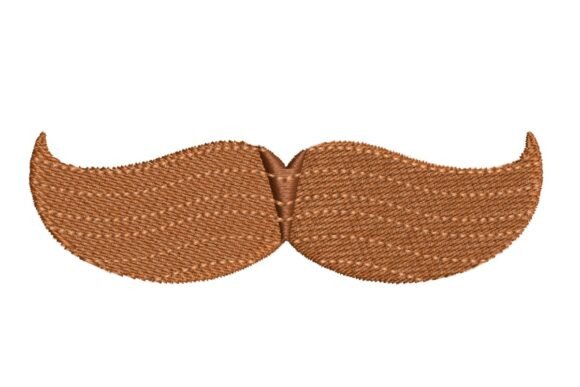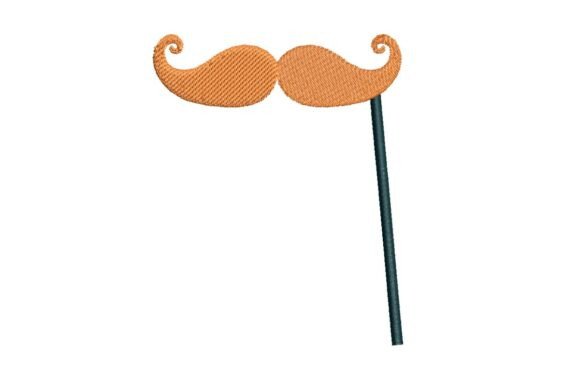
Classic Ginger Moustache Embroidery Design
First Impression: Whimsy Meets Refined Retro
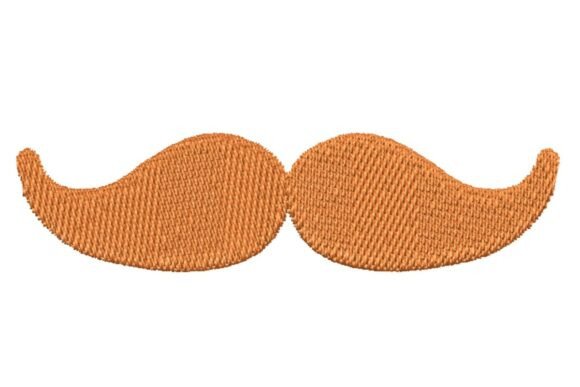
As an embroidery designer who’s prepped over 200 craft fair booths, my first reaction to Classic Ginger Moustache Embroidery Design was immediate and positive—it reads as charmingly confident. Not cartoonish, not overly delicate, but a stylized moustache with elegant curls that lands somewhere between vintage barbershop charm and modern handmade wit. It feels masculine without being macho, playful without tipping into novelty overload. That balance is gold at a craft fair, where shoppers scan dozens of tables in under 90 seconds. This design stops them—not with loud color or scale, but with character.
Where It Shines on Craft Fair Products
This isn’t a one-trick design. It adapts beautifully across product types—but not equally. Here’s what I’ve tested and observed:
- Tote bags: A standout when placed off-center on the front panel (just above the seam). The curls read clearly even at 3.5" wide, and the ginger texture adds depth against natural canvas or oat linen.
- Aprons: Works best on the chest pocket or lower left corner—small enough to feel intentional, large enough to be legible from 3 feet away. Customers consistently pause here, especially dads browsing for Father-themed gifts.
- Tea towel embroidery: Excellent on hemmed edges or corner accents. The curl detail holds up well on tightly woven cotton, and the “ginger” suggestion invites warm thread palettes—rust, burnt sienna, amber—that photograph beautifully for Etsy listings.
- Embroidered patches: Ideal size and shape for iron-on or sew-on use. Clean outer edge, no tiny interior cutouts—so it stitches reliably at 2.25"–3". Perfect for bundling with pins or keychains as small shop products.
- Caps and curved surfaces: Proceed with caution. The tightest curls compress on crown curves; I recommend testing on scrap baseball caps first. Best suited for flat-front panels or snapbacks with structured fronts.
- Pillow covers & fabric pouches: A quiet winner. At 4"–5", the moustache becomes a subtle signature—elegant, slightly cheeky, and instantly recognizable as handmade quality.
What Makes It Sell—And What Holds It Back
Classic Ginger Moustache Embroidery Design excels in three high-impact areas: visual clarity, emotional resonance, and booth cohesion. At a glance, it communicates personality—no explanation needed. That’s rare for a single-element machine embroidery design. Shoppers associate it with confidence, heritage, and lighthearted masculinity—making it a strong anchor for Father-themed collections without leaning on clichés like “World’s Best Dad.”
It also strengthens brand consistency. When repeated across tote bags, tea towels, and patches in the same thread palette, it creates rhythm across your display—something buyers subconsciously register as professional and intentional.
But it’s not universally forgiving. On dark fabric, contrast depends entirely on thread choice—avoid light ginger thread on charcoal twill unless you add underlay stitching. And on textured towels (like waffle weave), dense stitch areas may flatten or blur if stabilizer isn’t matched precisely to fabric weight. Tiny curl tips can vanish below 2", so skip using it as a micro-accent on keychains or zipper pulls unless you confirm the file includes simplified variants.
Production Realities Every Embroidery Designer Should Check
Before cutting your first production run, treat Classic Ginger Moustache Embroidery Design like any commercial embroidery asset—test, verify, document:
- Run a test on scrap fabric matching your intended product (e.g., unbleached cotton for tea towels, midweight twill for aprons).
- Check thread contrast: ginger tones vary wildly—sample at least two warm neutrals (ochre + terracotta) and one deep brown to see which lifts best.
- Review spacing between curl loops—if too tight, they’ll merge on low-tension machines. Confirm no floating stitches or overlapping jump threads.
- Verify hoop size compatibility. If your main frame is 4"x4", ensure the design fits comfortably with ¼" margin—no last-minute scaling that sacrifices curl definition.
- Inspect stitch density. High-density areas need cutaway stabilizer on knits or stretch fabrics; tear-away works fine for stable cottons.
- Create at least one real mockup—not just a printable mockup. Photos of the actual embroidered tote bag beat ten digital renders every time.
- Compare how it looks on light vs. dark fabric swatches side-by-side. Does the “ginger” effect hold up—or does it read muddy?
- Confirm commercial licensing status before selling finished products. As a digital embroidery file, its reuse rights affect your small shop product legality.
Why It Belongs in Your Next Craft Fair Lineup
This isn’t just another embroidery file—it’s a conversation starter, a branding tool, and a quietly versatile craft fair product. It performs well across price points: affordable as a patch or tea towel accent, premium as a custom pillow cover or limited-run market bag. It photographs cleanly for Etsy listings, scales intelligently for batch production, and retains handmade appeal without looking DIY or unfinished.
Most importantly, it meets the unspoken criteria shoppers use at handmade markets: Is it distinctive? Is it well-made? Does it feel intentional? Classic Ginger Moustache Embroidery Design answers yes—to all three. For embroidery business owners building cohesive collections, Etsy sellers refining their Father category offerings, or boutique makers seeking retro flair with substance, this design earns shelf space—and repeat orders.