Girl Power Fist and Flowers Embroidery Design
First Impression: Bold, Uplifting, and Instantly Recognizable
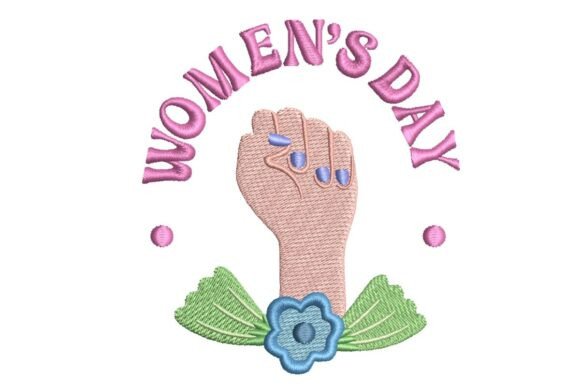
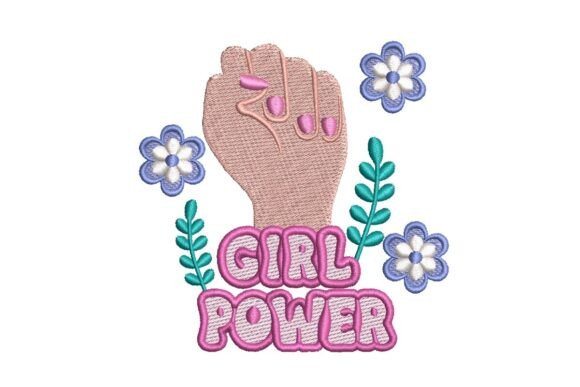
As an embroidery designer who’s curated over 200 craft fair booths in the past decade, my gut reaction to Girl Power Fist and Flowers Embroidery Design is immediate: this is a crowd-stopper. It lands squarely in the “bold + charming” sweet spot — not overly aggressive, not saccharine, but confident, inclusive, and visually balanced. The raised fist reads as strength and unity; the floral elements soften without diluting the message; and “Girl Power” in bold lettering ensures clarity at a glance. It’s modern, yes — but also timeless enough for year-round appeal, despite its listing under Holidays. This isn’t a seasonal novelty. It’s a statement piece with staying power.
Where It Shines: Craft Fair Product Placement That Converts
In a sea of handmade goods, Girl Power Fist and Flowers Embroidery Design earns attention fastest on high-visibility, high-touch items. On a natural canvas tote bag? Perfect — the design reads clearly from six feet away, and the contrast between the fist and florals creates visual rhythm. As apron embroidery? Equally strong — especially on denim or medium-weight cotton twill, where stitch definition holds up during washing and wear. For tea towel embroidery, I recommend placing it centered on the lower third: large enough to read while hanging, yet small enough to avoid overwhelming the fabric’s texture.
It’s exceptionally effective as an embroidered patch — ideal for pinning onto jackets, backpacks, or denim vests at the fair. Customers love personalizing their gear, and this design delivers instant identity and attitude. On caps? Use caution: the curved surface can distort fine floral details unless digitized with cap-specific underlay and reduced density. Stick to structured front panels (not flexible snapbacks) and test stitch first. Small pouches and pillow covers are standout applications — the scale feels intentional, not cramped, and the blend of strength + softness resonates emotionally in giftable formats.
Production Reality Check: What Works — and What Needs Care
This machine embroidery design performs well across batch production — but only if you respect its structure. The fist is clean-lined and scalable; the flowers add charm without excessive complexity. Still, watch for dense stitch areas where petals cluster near the wrist or knuckles — those zones demand quality stabilizer (cutaway for stable fabrics, tear-away for lightweight cotton) and precise tension calibration. Tiny details like stem tendrils or letter spacing in “Girl Power” shrink poorly below 3.5 inches wide. If you’re offering small-shop products like keychain charms or mini pouches, confirm the smallest viable size *before* cutting fabric.
Dark fabric? Absolutely viable — but only with high-contrast thread colors (e.g., bright coral or sunflower yellow on navy or charcoal). On textured towels, reduce stitch density by 10–15% and use a light topping stabilizer to prevent skipped stitches. And never skip the real-world test: run Girl Power Fist and Flowers Embroidery Design on scrap fabric matching your final product — same hoop size, same stabilizer, same thread brands. A printable mockup helps online, but nothing replaces seeing how light catches the satin stitches on an actual tea towel in booth lighting.
Selling Power: How It Lifts Your Booth & Brand
This design elevates perceived value instantly. Handmade customers don’t just buy stitching — they buy meaning, confidence, and connection. Girl Power Fist and Flowers Embroidery Design communicates all three without explanation. At a craft fair, that means less time selling, more time connecting. It strengthens brand consistency for makers who focus on empowerment, sustainability, or women-led creativity — and pairs seamlessly with complementary designs (think botanical initials or minimalist quote patches) in your lineup.
For Etsy sellers and digital embroidery file shops, it’s a strong anchor listing. Pair it with lifestyle photos showing the design on multiple products (tote + apron + patch), include close-ups of thread texture and floral detail, and tag thoughtfully: “girl power embroidery,” “feminist craft fair product,” “handmade market design.” Its emotional resonance drives saves, shares, and repeat visits — especially when showcased alongside authentic maker stories.
Designer Notes You Can’t Skip
- Test before you commit: Run the embroidery file on scrap fabric identical to your finished product — including same needle type and thread weight.
- Check thread contrast early: Light lettering on light fabric or dark-on-dark combos often fail in person, even if they look fine on screen.
- Review spacing and balance: Ensure “Girl Power” doesn’t feel cramped against the fist or overwhelmed by florals — misaligned kerning kills readability.
- Confirm hoop size compatibility: If you’re using 4x4 hoops for small pouches, verify the design fits comfortably with margin for hooping accuracy.
- Inspect stitch density: Overly dense fills cause puckering on lightweight fabrics and stiffness on apparel — adjust fill angles or reduce density if needed.
- Use the right stabilizer: Cutaway for stretchy or unstable fabrics; tear-away for stable cottons; topping for napped or textured surfaces like terry cloth.
- Create at least one real mockup: A photo of the Girl Power Fist and Flowers Embroidery Design on an actual tote bag — lit naturally, styled simply — outperforms ten generic digital renders.
- Compare fabric colors side-by-side: Dye lots vary. Swatch your base fabric with thread samples before launching a batch of 50 tea towels.
- Verify commercial licensing: If selling finished products (not just the digital file), ensure your license permits commercial embroidery use — especially for resale at craft fairs or on Etsy.
Final Thought: A Design That Sells Because It Speaks
Girl Power Fist and Flowers Embroidery Design doesn’t just decorate — it declares. In a marketplace saturated with cute, clever, or nostalgic, it offers conviction with warmth. It works because it’s legible, emotionally intelligent, and technically adaptable. Whether you’re prepping for a weekend market, building a cohesive line of small shop products, or expanding your digital embroidery file catalog, this design earns its place — not as filler, but as a flagship. Just remember: great embroidery starts with respect for the stitch, the fabric, and the customer’s story. Stitch it with intention, and it’ll sell itself.